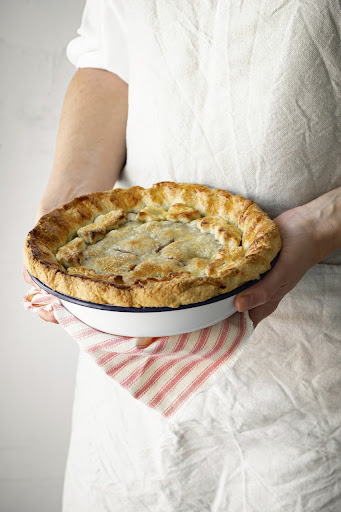
Making a perfect pie crust from scratch might seem scary at first, but it’s actually quite simple once you know the basics. A good pie crust is the foundation of any delicious pie, whether you’re making a sweet apple pie or a savory quiche.
This guide will teach you everything you need to know about creating a flaky, buttery pie crust that will make your pies taste amazing. With just a few simple ingredients and some easy techniques, you’ll be making beautiful pies that your family and friends will love. Let’s dive into the wonderful world of homemade pie crust and discover how easy it can be.
Ingredients
What You’ll Need for Perfect Pie Crust
Making pie crust requires only a handful of basic ingredients that you probably already have in your kitchen. The simplicity of these ingredients is what makes pie crust so wonderful and approachable for home bakers of all skill levels.
Basic Pie Crust Ingredients:
- 2½ cups all-purpose flour
- 1 teaspoon salt
- 1 tablespoon sugar (optional, for sweet pies)
- 1 cup (2 sticks) cold unsalted butter, cut into small cubes
- 6-8 tablespoons ice-cold water
The key to a great pie crust is using cold ingredients, especially the butter and water. Cold butter creates those lovely flaky layers that make pie crust so delicious. The flour provides structure, while the salt enhances flavor.
Sugar is optional and adds a slight sweetness that works well with fruit pies. Some bakers prefer to leave it out for savory pies.The water brings everything together, but too much will make your crust tough, so add it gradually.
How to Make Pie Dough in 4 Easy Steps
Step 1: Mix Your Dry Ingredients
Start by combining your flour, salt, and sugar (if using) in a large mixing bowl. Use a whisk or fork to mix these dry ingredients together thoroughly. This step ensures that the salt and sugar are evenly distributed throughout the flour. Mixing the dry ingredients well now means you won’t have salty or sweet spots in your finished crust.
Take about 30 seconds to do this step properly. It’s a small detail that makes a big difference in the final result.
Step 2: Cut in the Cold Butter
This is the most important step for creating a flaky pie crust. Add your cold butter cubes to the flour mixture. Using a pastry cutter, two knives, or your fingertips, work the butter into the flour until the mixture looks like coarse crumbs. You want to see pea-sized pieces of butter throughout the mixture.
These butter pieces will create steam pockets when baking, which makes your crust flaky. Work quickly so the butter doesn’t get too warm from your hands. If the butter starts melting, pop the bowl in the refrigerator for 10 minutes before continuing.
Tips for cutting in butter:
- Use cold butter straight from the fridge
- Work quickly to prevent butter from warming up
- Stop when mixture looks like coarse sand with some pea-sized lumps
- If using your hands, use your fingertips only
- Consider using a food processor for faster results
Step 3: Add Ice Water Gradually
Sprinkle the ice-cold water over your flour-butter mixture one tablespoon at a time. After each addition, use a fork to gently mix and bring the dough together. Don’t pour all the water at once because you might not need it all. The dough is ready when it starts to clump together and holds its shape when squeezed.
It should not be wet or sticky. Start with 6 tablespoons of water and add more only if needed. Different flours absorb water differently, so you might need slightly more or less water each time you make pie crust.
Step 4: Form and Chill the Dough
Gather the dough together and turn it out onto a clean surface. Gently press it together into a ball, then flatten it into a disk about 1 inch thick. Don’t knead the dough like bread dough or overwork it.
Wrap the disk tightly in plastic wrap and refrigerate for at least 1 hour. This chilling time is crucial because it allows the gluten to relax and the butter to firm up again. Chilled dough is much easier to roll out and will shrink less during baking. You can chill the dough for up to 2 days before using it.
How to Roll Out Pie Crust
Preparing Your Work Surface
Before rolling out your pie crust, prepare your work surface properly to prevent sticking. Lightly dust your counter or a large cutting board with flour. Too much flour can make your crust tough, so use just enough to prevent sticking. Some bakers prefer rolling their dough between two sheets of parchment paper or plastic wrap.
This method eliminates the need for extra flour and makes transferring the dough easier. Have your rolling pin ready and make sure it’s clean and dry before you begin.
Rolling Technique for Perfect Circles
Remove your chilled dough from the refrigerator and let it sit for about 5 minutes to soften slightly. Starting from the center, roll the dough outward in all directions, rotating the dough a quarter turn after each roll. This rotation helps create an even circle. Apply gentle, even pressure and avoid rolling back and forth over the same spot repeatedly.
Roll the dough to about ⅛ inch thickness and about 2 inches larger than your pie pan. If the edges crack, that’s normal and can be patched later. Keep the rolling surface and rolling pin lightly floured to prevent sticking.
How to Crimp and Flute Pie Crust
Simple Crimping Techniques
For a basic crimp, fold the overhanging dough under itself to create a thick edge sitting on the rim of the pie pan. Press gently to seal. Then, use your thumb and index finger of one hand to pinch the dough while pushing with the index finger of your other hand from the inside. This creates the classic fluted edge.
Move around the entire pie, creating evenly spaced crimps. Another easy method is using a fork to press the dough against the rim all the way around. This creates a simple ridged pattern that looks rustic and charming.
Crimping methods to try:
- Classic fluted edge using thumb and finger
- Fork-pressed edge for rustic look
- Rope edge by pinching and twisting
- Braided edge for special occasions
- Simple pressed edge using fingers
How to Pre-bake Pie Crust (Blind Bake)
The Blind Baking Process
After fitting your pie crust into the pan and crimping the edges, prick the bottom all over with a fork. This prevents bubbling during baking. Line the crust with parchment paper or aluminum foil, making sure to cover the edges too. Fill the lined crust with pie weights, dried beans, or uncooked rice. These weights keep the crust flat during baking. Bake at 375°F for 15-20 minutes until the edges just start to turn golden.
Remove the weights and parchment, then bake for another 10-15 minutes until the bottom is golden brown. For partially blind-baked crusts, remove them after the first baking step.
Troubleshooting & Tips of Pie Crust
Common Pie Crust Problems
Even experienced bakers encounter pie crust challenges sometimes. The good news is that most problems have simple solutions. Understanding what went wrong helps you adjust for next time. Don’t get discouraged if your first few pie crusts aren’t perfect. Every baker has made tough crusts, shrinking crusts, and crusts with holes.
These experiences teach you what works and what doesn’t. Keep practicing and you’ll soon be making beautiful pie crusts consistently.
What if my Pie Dough is Too Hard?
Identifying Hard Dough Issues
If your pie dough feels rock-hard straight from the refrigerator, that’s actually normal and expected. However, if it’s too hard to roll even after sitting at room temperature for 10 minutes, you might have added too little water.
Hard dough can also result from overworking the mixture or using warm butter.The good news is that hard dough can usually be fixed. Don’t throw it away and start over until you’ve tried some rescue techniques.
Fixing Hard Pie Dough
Let your hard dough sit at room temperature for 15-20 minutes to soften. If it’s still too hard, sprinkle a few drops of cold water over the surface and knead it in gently. Add water very gradually, no more than a teaspoon at a time. Too much water will make your dough sticky and tough when baked.
You can also try hitting the dough gently with your rolling pin to soften it without adding more water. This technique helps break up the butter and makes the dough more pliable. Be patient and work slowly to avoid tearing the dough.
How to store pie crust
Refrigerator Storage: Wrap unbaked dough tightly in plastic wrap and refrigerate for up to 3 days. Let sit 10 minutes before rolling.
Freezer Storage: Freeze wrapped dough for 3 months. Thaw overnight in fridge before use.
Baked Crust Storage: Store blind-baked crusts at room temperature, loosely wrapped, for 2 days or freeze for 1 month.
Pro Tip: Label with date and type for easy identification
Can I Freeze Pie Dough?
Freezing Unbaked Pie Dough
Yes, pie dough freezes beautifully and maintains its quality for up to 3 months. Wrap your dough disk tightly in plastic wrap, then place it in a freezer bag. Label the bag with the date and whether it’s sweet or savory dough.
Frozen dough takes about 3-4 hours to thaw in the refrigerator. Never thaw pie dough at room temperature or in the microwave because this makes the butter melt unevenly. Plan ahead and move your frozen dough to the refrigerator the night before you plan to use it.
Freezing Rolled-Out Crusts
You can also freeze pie crusts that are already rolled out and fitted into pie pans. This method saves even more time on baking day. Simply fit the unbaked crust into a disposable aluminum pie pan, cover tightly with plastic wrap, and freeze.
These frozen crusts can go straight from freezer to oven for blind baking. Add about 5 minutes to the baking time when baking from frozen. This technique is perfect for making several pies during the holidays.
Is Quiche Crust the Same as Pie Crust?
Understanding the Differences
Quiche crust and pie crust are very similar, but there are some small differences worth noting. Traditional quiche uses a French pastry called pâte brisee, which contains slightly more butter and sometimes an egg yolk. However, regular pie crust works perfectly fine for quiche, especially savory quiches.
The main difference is that quiche crust is usually made without sugar, while sweet pie crust often includes it. Many home bakers use the same pie crust recipe for both sweet pies and savory quiches.

Adapting Pie Crust for Quiche
When using pie crust for quiche, simply leave out the sugar from your recipe. The rest of the process remains exactly the same. You’ll want to blind-bake the crust before adding the quiche filling to prevent sogginess. Some bakers add a tablespoon of herbs or cheese to their quiche crust for extra flavor.
This customization makes the crust complement the filling beautifully. Remember that quiche crusts are usually thicker than pie crusts, so roll yours to about ¼ inch instead of ⅛ inch.
Nutrition
er Serving (1/8 of 9-inch crust):
- Calories: 180-200
- Total Fat: 12g
- Saturated Fat: 7g
- Carbohydrates: 15g
- Protein: 2g
- Sodium: 150mg
Made with simple ingredients: flour, butter, salt, water. Contains gluten and dairy. Homemade crust has no preservatives or artificial additives.
Notes
Important reminders:
- Altitude affects baking, use slightly less liquid at high elevations
- Different pie pans conduct heat differently (glass vs. metal)
- Humidity in your kitchen affects how much water you need
- Pies with double crusts need vents cut in the top
- Egg wash creates a golden, shiny finish on crust edges
Recipe Variations to Try
Once you’ve mastered basic pie crust, experiment with variations for different flavors. Add a teaspoon of cinnamon to dough for apple pie. Mix in some grated cheese for savory pies or quiches. Replace 2 tablespoons of flour with cocoa powder for chocolate cream pies. Substitute 2 tablespoons of water with vodka for an extra-flaky crust.
The vodka evaporates during baking and doesn’t add flavor. These small changes can take your pies from good to extraordinary.
FAQs
Why is my pie crust tough instead of flaky?
Tough pie crust results from overworking the dough or adding too much water. Handle dough minimally and use cold butter to create flaky layers. Mix only until ingredients come together for best results.
Can I freeze pie dough?
Yes, freeze pie dough for up to 3 months wrapped tightly in plastic wrap. Thaw overnight in the refrigerator before using. Frozen dough maintains quality and saves time on baking day.
How do I prevent my pie crust from shrinking?
Never stretch dough when fitting into the pan. Chill dough for 1 hour before rolling and 30 minutes after shaping. This relaxes gluten and prevents shrinking during baking.
Do I need pie weights for blind baking?
Pie weights prevent crust from puffing up during blind baking. Use dried beans, rice, or actual pie weights. They’re essential for custard and cream pies to ensure crispy bottoms.
Is quiche crust the same as pie crust?
Yes, quiche crust and pie crust are essentially the same. The main difference is quiche crust omits sugar. Regular pie crust works perfectly for quiche with this simple adjustment.
Conclusion
Making homemade pie crust is a rewarding skill that improves with practice. While it might seem intimidating at first, following these simple steps will help you create delicious, flaky crusts for all your favorite pies. Remember that the key elements are cold ingredients, minimal handling, and proper chilling time.
Don’t worry if your first few attempts aren’t perfect because every baker has experienced pie crust challenges. The more you practice, the more natural the process becomes. Soon you’ll be making beautiful pies with confidence and ease.