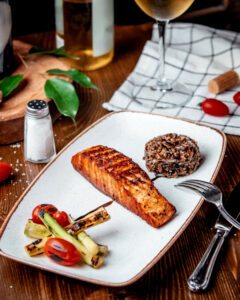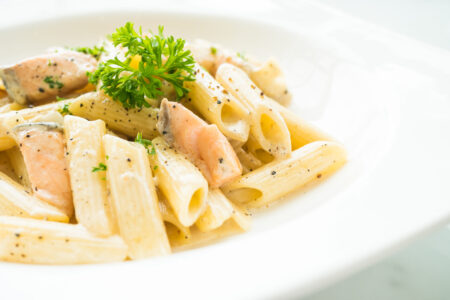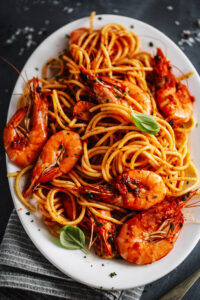
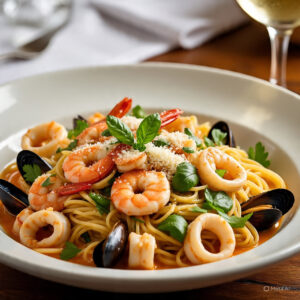
Seafood pasta brings the taste of the ocean right to your dinner table with amazing flavors. This classic Italian dish combines tender noodles with fresh seafood in a way that makes every meal feel special. Whether someone is making seafood pasta for family dinner or impressing guests at a party, this versatile dish delivers restaurant-quality results without expert skills needed.
Learning to make seafood pasta opens up endless possibilities that will have everyone asking for the recipe.
The beauty of this dish lies in its flexibility and how it celebrates natural ocean flavors. Cooks can use shrimp, clams, mussels, or scallops depending on what’s available at the store. The pasta soaks up all the wonderful flavors from the seafood and sauce. Best of all, most recipes come together in under 30 minutes, making them perfect for busy weeknights.
Seafood Pasta is Your Mic Drop Moment
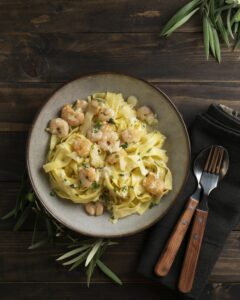
How to Make Seafood Pasta
Creating delicious seafood pasta requires understanding a few basic techniques that work for almost any variation. The process follows a simple flow that makes sense even for beginning cooks. Once someone masters these fundamentals, they can experiment with different seafood and sauce styles to create their own signature version.
Choosing Quality Seafood
Great seafood pasta starts with selecting quality seafood at the store. Look for seafood that smells fresh like the ocean, not fishy. Shrimp should be firm and clear, not mushy or gray. Mussels and clams should be tightly closed or close when tapped gently. Fresh seafood makes a huge difference in the final dish.
Both fresh and frozen seafood work perfectly well depending on what’s available. Frozen seafood is often just as good and sometimes fresher than what’s at the counter. Just thaw frozen seafood properly in the fridge overnight. Pat the seafood dry before cooking to help it brown nicely.
Selecting the Right Pasta
The pasta type affects how well it holds sauce and seafood. Long pasta like linguine or spaghetti works beautifully because it twirls with the seafood. Short pasta like penne catches bits inside the tubes. Shell pasta cradles small seafood pieces perfectly. Each shape offers a different eating experience.
Always cook pasta in plenty of boiling salted water. The water should taste slightly salty for best results. Cook until al dente, which means it has slight firmness when bitten. This usually takes 1-2 minutes less than package directions. The pasta continues cooking in the sauce, so slightly undercooked ensures perfect texture.
Seafood Pasta
This classic version combines multiple types of seafood with garlic, white wine, and olive oil for a light and flavorful dish that highlights the natural taste of the ocean.
Ingredients
Here’s what’s needed for classic seafood pasta:
- 1 pound linguine or spaghetti
- 1/2 pound large shrimp, peeled
- 1/2 pound mussels, cleaned
- 1/2 pound clams, scrubbed
- 4 cloves garlic, minced
- 1/2 cup white wine
- 1/4 cup olive oil
- 2 tablespoons butter
- 1/4 teaspoon red pepper flakes
- 1/4 cup fresh parsley, chopped
- Salt and pepper to taste
- Lemon wedges for serving
Instructions
Follow these simple steps for perfect results:
Step 1: Prepare Everything Bring a large pot of salted water to boil. Clean all seafood and pat dry. Mince the garlic and chop the parsley. Having everything ready makes cooking smooth.
Step 2: Cook the Pasta Add pasta to boiling water. Cook for 2 minutes less than package directions. Save 1 cup of pasta water before draining. This starchy water helps the sauce stick to pasta.
Step 3: Start the Seafood Heat olive oil in a large skillet over medium heat. Add garlic and red pepper flakes. Cook for 1 minute until fragrant but not brown.
Step 4: Add Wine and Shellfish Pour in white wine and bring to a simmer. Add clams and mussels. Cover the pan and cook for 3-4 minutes until shells open. Remove any that don’t open.
Step 5: Cook the Shrimp Add shrimp to the pan. Cook for 2-3 minutes until pink and cooked through. Don’t overcook or shrimp becomes rubbery.
Step 6: Combine Everything Add drained pasta to the skillet with seafood. Toss everything together. Add butter and some pasta water if needed. The pasta should be coated in sauce.
Step 7: Finish and Serve Remove from heat and stir in fresh parsley. Season with salt and pepper. Serve immediately with lemon wedges on the side.
Notes
Seafood Tips Discard any clams or mussels with broken shells before cooking. After cooking, throw away any that didn’t open. These safety steps ensure the seafood is safe to eat.
Wine Substitute If avoiding alcohol, use chicken broth instead of wine. Add a squeeze of lemon juice for acidity. The flavor will be slightly different but still delicious.
Make It Spicier Add more red pepper flakes for extra heat. Some cooks also like adding a pinch of cayenne pepper. Adjust spice level to personal taste preferences.
Nutrition
One serving provides:
- Calories: 520
- Protein: 38 grams
- Carbohydrates: 58 grams
- Fat: 14 grams
- Omega-3s: 800 mg
Seafood Marinara Pasta
This version uses a rich tomato-based sauce that’s hearty and satisfying. The marinara adds depth and color to the dish while complementing the seafood beautifully.
Ingredients
Gather these items for marinara version:
- 1 pound penne or rigatoni
- 1 pound mixed seafood (shrimp, scallops, calamari)
- 1 can (28 oz) crushed tomatoes
- 3 cloves garlic, minced
- 1 small onion, diced
- 1/4 cup olive oil
- 1/2 cup white wine
- 1 teaspoon dried oregano
- 1/2 teaspoon dried basil
- 1/4 teaspoon red pepper flakes
- Salt and pepper to taste
- Fresh basil for garnish
Instructions
Here’s how to make this tomato-based version:
Step 1: Make the Marinara Heat olive oil in a large pot. Add onion and cook for 3 minutes until soft. Add garlic and cook 1 minute more.
Step 2: Build the Sauce Pour in crushed tomatoes and white wine. Add oregano, basil, and red pepper flakes. Simmer for 15 minutes, stirring occasionally.
Step 3: Cook Pasta While sauce simmers, cook pasta according to package directions. Drain and set aside.
Step 4: Add Seafood Add mixed seafood to the simmering marinara sauce. Cook for 4-5 minutes until seafood is cooked through. Stir gently to avoid breaking up the seafood.
Step 5: Combine and Serve Add cooked pasta to the sauce and toss to coat. Serve hot with fresh basil on top.
Notes
Seafood Choices This recipe works with any combination of seafood. Calamari adds nice texture. Scallops provide sweetness. Choose favorites or what’s on sale.
Sauce Thickness If sauce is too thick, add some pasta water. If too thin, simmer longer to reduce. The sauce should coat the pasta nicely without being watery.
Storage Tips Leftovers keep in the fridge for 2 days. Reheat gently on the stove with a splash of water. Seafood can get rubbery if reheated too much.
Nutrition
One serving provides:
- Calories: 480
- Protein: 32 grams
- Carbohydrates: 62 grams
- Fat: 12 grams
- Fiber: 5 grams
FAQs
What’s the best pasta shape for seafood?
Long pasta like linguine or spaghetti works best because it twirls with the seafood. However, short shapes like penne also work well. Choose based on personal preference and what’s in the pantry.
Can frozen seafood be used instead of fresh?
Yes, frozen seafood works great for pasta. Thaw it completely in the fridge overnight. Pat dry before cooking. Frozen seafood is often flash-frozen right after catching, making it very fresh.
How do you prevent seafood from getting rubbery?
Don’t overcook the seafood. Shrimp cooks in 2-3 minutes, scallops in 3-4 minutes. Remove from heat as soon as it’s done. Overcooked seafood becomes tough and chewy.
What wine works best for seafood pasta?
Dry white wines like Pinot Grigio or Sauvignon Blanc work perfectly. The wine should be something enjoyable to drink. Avoid sweet wines as they make the sauce too sugary.
Can seafood pasta be made ahead of time?
It’s best served fresh, but sauce can be made ahead. Cook seafood and pasta right before serving. Reheating seafood often makes it rubbery, so fresh preparation gives best results.
Conclusion
Seafood pasta delivers restaurant-quality meals at home with simple techniques and fresh ingredients. Whether choosing the classic white wine version or hearty marinara style, this dish impresses everyone at the table.
The key is using quality seafood, not overcooking it, and combining everything at the right time. With these two delicious recipes, anyone can create memorable Italian meals that bring the taste of the ocean to their dinner table any night of the week.