The Perfect Protein for Every Meal
The best baked chicken breast is simple and delicious for any meal. This versatile protein works for weeknight dinners, meal prep, or special occasions. The best baked chicken breast stays juicy and flavorful when cooked correctly. With proper technique and temperature, anyone can create restaurant-quality chicken at home.
Chicken breast is one of the healthiest and most affordable proteins available. It cooks quickly and fits into almost any diet plan. Learning to bake chicken breast properly opens up countless meal possibilities. This guide covers everything needed for perfectly baked chicken every time.
Ingredients
Creating delicious baked chicken requires just a few simple ingredients. Most kitchens already have these items. The beauty lies in its simplicity and flexibility.
- 4 boneless, skinless chicken breasts (about 6-8 ounces each)
- 2 tablespoons olive oil or melted butter
- 1 teaspoon salt
- 1/2 teaspoon black pepper
- 1 teaspoon garlic powder
- 1 teaspoon paprika
- 1/2 teaspoon onion powder
- Fresh herbs like rosemary, thyme, or parsley
- Lemon zest for brightness
- Italian seasoning blend
- Cajun spices for heat
- Dried oregano or basil
Preparation Notes:
Chicken breasts should be similar in size for even cooking. If one is much larger, pound it thinner or cut it in half. Room temperature chicken cooks more evenly than cold chicken. Take chicken out fifteen minutes before cooking. Pat completely dry with paper towels because moisture prevents browning.
Instructions
Step One: Preheat the Oven
Set oven to 425°F (220°C). High temperature creates golden-brown exterior while keeping inside juicy. Let oven preheat for ten minutes.
Step Two: Prepare the Chicken
Ensure the chicken breasts are completely dry. This prevents moisture from interfering with browning.For thicker pieces , pound them to an even thickness .
Step Three: Season Gene rously
Brush both sides with olive oil or butter. Mix seasonings in small bowl. Sprinkle evenly over both sides. Press seasonings into meat. Don’t skimp on flavor.
Step Four: Arrange on Baking Sheet
Line baking sheet with parchment paper for easy cleanup. Place chicken with space between each piece. Leave one inch between for air circulation. This helps achieve golden-brown color.
Step Five: Bake Until Done
Bake for eighteen to twenty-two minutes depending on thickness . At this point , the should reach 165°F (74°C) internal temperature. To check , use an instant -read Use instant-read thermometer in the thickest part.
Step Six: Rest Before Serving
Remove from oven at proper temp erature. Let rest five minutes before cutting. Resting redistributes juices throughout meat. Cutting immediately causes moisture loss.
How to Best Bake Chicken Breasts in the Oven
Mastering the Technique
Baking chicken breast requires attention to detail. The goal is juicy interior with browned exterior. High heat works better than low heat. It cooks quickly and seals in moisture.
Success depends on three factors: proper temperature, even thickness, and accurate timing. When these align, chicken is tender and flavorful. Many cooks overcook from food safety concerns. However, overcooking creates dry, tough meat.
Choosing the Right Pan:
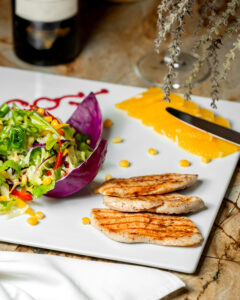
A rimmed baking sheet works perfectly. Low sides allow heat circulation. Avoid deep dishes that trap steam. A wire rack elevates chicken for even cooking and crispy edges.
How Long to Bake Chicken Breasts
Baking time depends on chicken thickness. Here’s a guide for 425°F:
Time Guidelines:
- Small breasts (5-6 oz, 3/4 inch): 15-18 minutes
- Medium breasts (7-8 oz, 1 inch): 18-22 minutes
- Large breasts (9-10 oz, 1.5 inches): 22-26 minutes
- Extra-large breasts (over 10 oz): 26-30 minutes
Temperature Variations:
At 375°F, add five to eight minutes. At 450°F, reduce time by three to five minutes. Higher temps create better browning but need closer monitoring. The 425°F setting balances browning and juiciness perfectly.
The Best Internal Temperature
Food Safety and Juiciness
The USDA recommends 165°F (74°C) internal temperature. This kills harmful bacteria and ensures safety. Use an instant-read thermometer in the thickest part.
Carryover Cooking:
Chicken continues cooking after removal from oven. Internal temperature can rise five degrees during resting. Some cooks remove at 160°F, knowing it will reach 165°F. This prevents overcooking but requires experience.
Multiple Breasts:
Check the thickest breast first. If it reaches 165°F, others are likely done. However, check each piece for complete safety. Different sizes may finish at different times. Remove each as it reaches proper temperature.
Tips for the Juiciest Chicken Breasts
Brining Makes a Difference:
Soaking chicken in saltwater before cooking increases moisture. Mix four cups water with quarter cup salt. Soak for thirty minutes to two hours. Rinse and pat dry after brining. Brined chicken stays juicier even if slightly overcooked.
Don’t Skip the Oil:
Coating with oil or butter serves multiple purposes. It helps seasonings stick. It promotes browning and flavor. It adds moisture and prevents sticking. Don’t use cooking spray because it lacks enough fat.
Pound to Even Thickness:
Uneven breasts cook unevenly. Thin parts dry before thick parts finish. Use meat mallet to create uniform thickness. Pound thick end until it matches thin end. This takes a minute but makes huge difference.
Let It Rest:
Resting after cooking is crucial for juicy chicken , as the hot exterior contracts while cooling, pulling moisture to the center; cutting immediately releases this moisture.
Avoid Overcooking:
Overcooked chicken becomes dry and tough. Invest in good instant-read thermometer. Check temperature early and often during final minutes. Remove at 165°F exactly. Carryover cooking finishes the job.
Storage Tips
Refrigerator Storage:
Store leftover chicken in airtight container for three to four days. Let cool to room temperature first, but don’t leave out over two hours. Slice or dice before storing for easier meal prep.
Freezer Storage:
Baked chicken freezes well for three months. Wrap individual breasts in plastic wrap, then place in freezer bags. Remove air to prevent freezer burn. Label with date. Whole breasts maintain moisture better than sliced.
Reheating Methods:
Oven provides best results. Preheat to 350°F and warm ten to fifteen minutes covered. Microwave works quickly but can make chicken rubbery. Use fifty percent power and heat in thirty-second intervals. Add water or broth for moisture.
Meal Prep Ideas:
Baked chicken is perfect for weekly meal prep. Cook large batch on Sunday for easy weekday meals. Store plain and add different sauces throughout week. Slice for salads, dice for tacos, or cube for pasta.
Delicious Chicken Breast Recipes
Simple Serving Suggestions:
Serve with roasted vegetables and quinoa. Add to Caesar salad for protein. Slice for sandwiches or wraps. Toss with pasta and marinara. Shred for tacos or enchiladas.
Flavor Variations:
Try lemon pepper with fresh lemon. Use taco seasoning for Mexican dishes. Apply BBQ rub for smoky flavor. Brush with honey mustard. Coat with Parmesan and Italian herbs.
Sauce Pairings:
Drizzle with balsamic glaze. Top with mushroom sauce. Serve with honey garlic sauce. Add buffalo sauce for game day. Pour teriyaki glaze for Asian style.
Nutrition
Nutritional Facts Per Serving (4 oz chicken breast):
- Calories: 185
- Protein: 35 grams
- Carbohydrates: 0 grams
- Fat: 4 grams
- Saturated Fat: 1 gram
- Cholesterol: 85 milligrams
- Sodium: 75 milligrams (without added salt)
- Potassium: 390 milligrams
Frequently Asked Questions
Should chicken be covered when baking?
No, leave chicken uncovered for browning. Covering traps steam and prevents browning. If browning too fast, loosely tent foil during final minutes.
Can frozen chicken breast be baked directly?
Yes, but it needs fifty percent longer cooking time. Results are often uneven. Thawing overnight in refrigerator produces better results. Never thaw on counter.
Why is my baked chicken always dry?
Overcooking or low temperature causes dryness. Use instant-read thermometer for accuracy. Cook at 425°F to seal moisture. Start with room temperature chicken. Always let rest before cutting.
How do I add more flavor to chicken?
Marinate for several hours before baking. Brine in saltwater for juiciness. Use compound butter on top. Try different spice blends. Add sauce after baking.
What’s the difference between baking and roasting chicken?
Both use oven heat. Roasting typically means higher temperatures above 400°F. For chicken breast, terms are used interchangeably. Key difference is temperature, not technique.
Conclusion
Making the best baked chicken breast is simple with proper technique. High oven heat, even thickness, accurate temperature, and resting time ensure success. These fundamentals work every time.
This versatile protein works for countless meals. From simple dinners to meal prep, baked chicken provides endless possibilities. The basic recipe allows experimenting with different flavors. Once mastered, creativity takes oven.