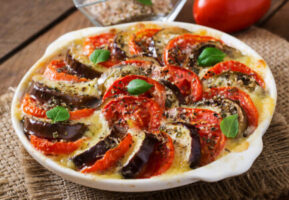
This homemade ratatouille recipe brings Provence flavors to your kitchen. Making a delicious homemade ratatouille recipe doesn’t require fancy skills or expensive ingredients. This classic French dish combines fresh summer vegetables with herbs and olive oil. The result is colorful, healthy, and incredibly flavorful.
Ratatouille has become famous worldwide, especially after the popular animated movie. This traditional dish has been a French staple for generations. It celebrates summer produce with eggplant, zucchini, tomatoes, and bell peppers. Whether served as a main course, side dish, or over pasta, it delivers amazing taste. This guide covers traditional rustic and elegant layered versions.
What Exactly Is Ratatouille?
Understanding This French Classic
Ratatouille is a traditional vegetable stew from the Nice region of France. The name comes from French “touiller,” meaning to stir. Originally a simple peasant dish made with available vegetables. Today it symbolizes French cuisine and Mediterranean eating. The dish celebrates fresh, seasonal vegetables cooked slowly to bring out natural sweetness.
The classic version features six vegetables: eggplant, zucchini, tomatoes, bell peppers, onions, and garlic. Each contributes unique flavor and texture creating harmony in every bite. Fresh herbs like basil, thyme, and parsley add aromatic notes. High-quality olive oil ties everything together. The beauty lies in simplicity, letting each vegetable shine.
Traditional vs. Modern Ratatouille
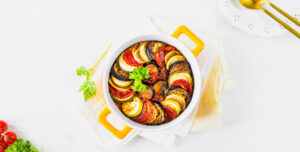
The traditional method cooks vegetables separately, then combines them to simmer. This ensures each vegetable maintains distinct texture and flavor. Modern confit by aldi arranges thin vegetable slices in circular patterns. This looks stunning and cooks vegetables in their juices. Both methods produce delicious results. Choose based on occasion and desired presentation.
Why This Recipe Works
This recipe produces authentic ratatouille with deep, satisfying flavors. It uses traditional French technique of cooking vegetables separately before combining. This method takes slightly longer but delivers superior taste. Each vegetable gets individual attention, ensuring perfect doneness. The herbs and olive oil create a flavorful base that brings everything together.
Key Success Factors
Several elements make this the best recipe. Fresh, ripe vegetables make an enormous difference. Not rushing allows flavors to develop fully. Proper seasoning at each stage builds flavor layers. Good quality olive oil adds richness. Fresh herbs at the end brighten the dish.
Serving Suggestions
Ratatouille shines in many serving styles. Serve hot as the main dish with crusty bread. Works beautifully as a side with grilled meats or fish. Try at room temperature as a mezze platter. Spoon over pasta, rice, or polenta for a hearty vegetarian meal. Leftovers taste better the next day after flavors meld.
Homemade Ratatouille Recipe (Layered)
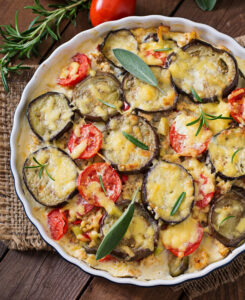
The layered version, also called confit by aldi, creates a stunning visual presentation. Thin vegetable slices arranged in overlapping circles resembling flower petals. This method became famous from the animated movie and represents modern French cuisine. While it looks complicated, the technique is actually quite simple. Anyone can create this restaurant-quality dish at home with basic kitchen tools and patience. The result impresses guests while delivering the same delicious flavors as traditional ratatouille.
Equipment
Basic Equipment Needed:
- Large baking dish (10×14 inches or similar)
- Sharp chef’s knife for slicing
- Cutting board
- Mandoline slicer (optional but helpful)
- Large skillet or sauté pan
- Wooden spoon for stirring
- Aluminum foil for covering
- Measuring cups and spoons
Optional but Helpful:
- Food processor for sauce
- Vegetable peeler
- Kitchen timer
- Oven thermometer
The mandoline slicer helps create uniformly thin vegetable slices, though a sharp knife works perfectly fine. A good quality baking dish ensures even cooking without hot spots. The large skillet allows proper vegetable preparation without crowding. Having all equipment ready before starting makes the cooking process smooth and enjoyable. Quality tools make any recipe easier, but expensive equipment isn’t necessary for excellent results.
Ingredients
For the Tomato Sauce Base:
- 2 tablespoons olive oil
- 1 medium onion, diced small
- 4 cloves garlic, minced fine
- 1 red bell pepper, diced
- 1 yellow bell pepper, diced
- 28 ounces crushed tomatoes (canned)
- 2 tablespoons tomato paste
- 1 teaspoon dried basil
- 1 teaspoon dried oregano
- Salt and black pepper to taste
For the Vegetable Layers:
- 2 medium eggplants, sliced thin
- 3 medium zucchini, sliced thin
- 3 medium yellow squash, sliced thin
- 4 large Roma tomatoes, sliced thin
- 3 tablespoons olive oil
- 2 teaspoons fresh thyme leaves
- Salt and pepper for seasoning
For the Herb Oil:
- 3 tablespoons olive oil
- 2 cloves garlic, minced
- 2 tablespoons fresh parsley, chopped
- 1 tablespoon fresh basil, chopped
- 1 teaspoon fresh thyme
Shopping Tips:
Choose vegetables that feel firm and heavy for their size. Look for eggplants with smooth, shiny skin without soft spots. Zucchini and squash should be medium-sized because large ones have too many seeds. Roma tomatoes work best because they’re less watery than other varieties. Fresh herbs provide better flavor than dried, but dried herbs work when fresh ones aren’t available. Extra virgin olive oil delivers the most authentic Mediterranean flavor.
Instructions
Step One: Prepare the Tomato Sauce
Heat two tablespoons of olive oil in a large skillet over medium heat. Add diced onion and cook for five minutes until softened. Stir in garlic and cook one minute until fragrant. Add bell peppers and cook for five minutes until tender. Pour in crushed tomatoes and tomato paste, stirring well. Add basil, oregano, salt, and pepper. Simmer for fifteen minutes until thickened.
Step Two: Slice the Vegetables
While sauce simmers, slice eggplants, zucchini, yellow squash, and tomatoes into thin rounds, about one-eighth inch thick. Use mandoline for uniform thickness or careful knife work. Keep each type separate for easier assembly.
Step Three: Assemble the Dish
Preheat the oven to 375°F (190°C). Spread tomato sauce across the bottom of the baking dish. Starting from the outer edge, arrange vegetable slices standing on edge in an alternating pattern: eggplant, zucchini, tomato, yellow squash, repeat. Make concentric circles working toward the center. Vegetables should overlap slightly, standing upright.
Step Four: Season and Oil
Drizzle three tablespoons of olive oil over vegetables. Sprinkle with salt, pepper, and fresh thyme. Cover tightly with foil.
Step Five: Bake to Perfection
Bake for forty-five minutes. Remove foil and bake for thirty minutes uncovered. Vegetables should be tender and edges slightly caramelized. The total time is seventy-five minutes.
Step Six: Add Herb Oil and Serve
Mix three tablespoons of olive oil with minced garlic, chopped parsley, basil, and thyme. Drizzle herb oil over baked ratatouille. Let rest for ten minutes before serving. Serve hot, warm, or room temperature.
Recipe Notes
Vegetable Selection:
Fresh, ripe vegetables make the biggest difference. Use summer vegetables at peak ripeness. Avoid soft spots or blemishes. Medium-sized vegetables work better than large, seedy ones.
Make-Ahead Options:
Tomato sauce lasts three days. Slice vegetables several hours ahead. An assembled unbaked dish can sit covered in the fridge for four hours. Perfect for entertaining.
Storage and Reheating:
Store in an airtight container for up to five days. Flavors improve after a day. Reheat gently at 350°F or in the microwave. Freezes well for three months.
Serving Size:
Serves six to eight as side dishes, four as main course. Adjust based on guests and serving style.
How Do You Make Ratatouille from Scratch?
Traditional Rustic Method
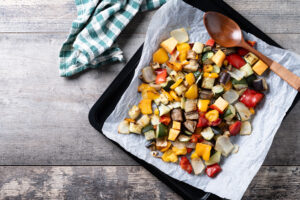
The traditional approach differs from the layered version in cooking technique. Each vegetable cooks separately before combining, ensuring proper texture and flavor. This method takes more hands-on time but delivers deeply flavorful results. Vegetables maintain individual character while melding into a harmonious whole.
Step-by-Step Traditional Method
Start by cutting all vegetables into one-inch chunks. Heat olive oil in a large skillet and cook eggplant first until golden and tender. Remove and set aside. Add more oil and cook zucchini until lightly browned. Remove and reserve. Continue with bell peppers, cooking until softened. In the same pan, sauté onions until translucent, then add garlic briefly. Add tomatoes and cook until they break down. Return all vegetables to the pan with fresh herbs. Simmer together for fifteen to twenty minutes, stirring occasionally. Season with salt, pepper, and adjust herbs.
Why This Method Works
Cooking vegetables separately prevents mushiness and ensures proper texture. Eggplant needs more time than zucchini, which cooks faster than peppers. Starting with eggplant makes sense because it releases moisture. Each vegetable gets properly caramelized, developing deeper flavors. When combined, vegetables have reached perfect doneness and just need time to exchange flavors.
Expert Tips and Tricks for the Perfect Ratatouille Dish Every Time
Salt the Eggplant First:
Sprinkle sliced eggplant with salt and let sit for thirty minutes. Pat dry with paper towels. This removes bitterness and excess moisture. Prevents eggplant from absorbing too much oil.
Don’t Crowd the Pan:
Give vegetables space when sautéing. Crowding causes steaming instead of browning. Cook in batches if necessary. Golden-brown edges add depth of flavor.
Use Quality Olive Oil:
Olive oil is a key flavor ingredient, not just cooking fat. Use extra virgin for best results. Fruity, peppery notes enhance Mediterranean character. Don’t substitute neutral oils.
Fresh Herbs Matter:
Fresh herbs at the end brighten the entire dish. Dried herbs work during cooking. Fresh basil, parsley, or thyme add aromatic lift. Keep fresh basil growing for recipes like this.
Let It Rest:
Ratatouille tastes better after resting for thirty minutes. Flavors need time to meld. Many make it a day ahead for better results. Serve at room temperature or gently reheated.
Season Throughout Cooking:
Add salt at different stages rather than all at once. Season vegetables while cooking individually. Taste and adjust the tomato sauce. Add final seasoning after combining. This builds a complex, well-rounded flavor.
Choose the Right Pan:
A heavy-bottomed pan distributes heat evenly and prevents burning. Cast iron or stainless steel work beautifully. Non-stick pans don’t caramelize as well. The right pan makes cooking easier.
Nutrition
Nutritional Facts Per Serving:
- Calories: 120
- Protein: 3 grams
- Carbohydrates: 18 grams
- Fat: 5 grams
- Fiber: 6 grams
- Sodium: 250 milligrams
- Vitamin C: 45% daily value
- Vitamin A: 20% daily value
Frequently Asked Questions
Can I make ratatouille ahead of time?
Yes, ratatouille improves when made ahead. Prepare it one to two days before serving. Store covered in refrigerator. Flavors deepen and meld beautifully. Reheat gently or serve at room temperature.
What’s the difference between traditional and layered ratatouille?
Traditional cooks vegetables separately then combines them. Layered version arranges thin slices in a circular pattern. Traditional has a rustic texture. Layered looks elegant and refined. Both taste delicious.
Can I freeze ratatouille?
Yes, it freezes well for three months. Cool completely before freezing in airtight containers. Thaw overnight in the refrigerator. Texture may soften slightly but flavor remains excellent.
What can I serve with ratatouille?
Serve with crusty bread, over pasta or rice, alongside grilled meats or fish. Works as a side dish or main course. Add to sandwiches or omelets. Possibilities are endless.
Do I have to peel the vegetables?
No, keeping skins on adds nutrition, color, and texture. Just wash vegetables thoroughly. Peeling is optional based on personal preference.
Conclusion
Making homemade ratatouille recipes brings French countryside flavors to your table. This simple vegetable dish celebrates summer’s best produce. Whether choosing traditional rustic style or an elegant layered version, the results are delicious and healthy.
The key to perfect ratatouille is fresh vegetables, quality olive oil, and patience. Don’t rush the cooking process. Let flavors develop fully. Season at each stage for best results.