Running out of buttermilk when baking can feel like a disaster. But there is good news for every home cook. Making a buttermilk substitute at home takes just five minutes and uses two simple ingredients.
This homemade buttermilk substitute works perfectly in pancakes, biscuits, cakes, and all other recipes that call for buttermilk. No more last-minute trips to the store or wasted cartons of buttermilk sitting in the fridge.
This buttermilk substitute recipe is a true kitchen lifesaver. It only needs two ingredients that most people already have at home. The process takes just five minutes from start to finish.
Here are the quick facts everyone needs to know:
- Prep Time: 5 minutes
- Total Time: 5 minutes
- Yield: 1 cup of buttermilk substitute
- Ingredients: Milk and acid (lemon juice or vinegar)
- Best For: All recipes that call for buttermilk
- Storage: Use immediately or keep refrigerated for 24 hours
This simple method saves time and money. There is no need to buy a whole carton of buttermilk that might spoil. Instead, bakers can make exactly the amount needed for any recipe. The substitute tastes just like real buttermilk and works the same way in all dishes.
What Is a Substitute for Buttermilk?
A buttermilk substitute is a homemade version of buttermilk made by mixing milk with an acid. The acid causes the milk to curdle slightly, creating the tangy flavor and thick texture of real buttermilk.
Real buttermilk is a fermented dairy product with a sour taste and creamy texture. It is commonly used in baking because it reacts with baking soda to help recipes rise. Buttermilk also adds moisture and creates tender, fluffy baked goods. The problem is that most recipes only need a small amount, and buying a full carton often leads to waste.
That is where a buttermilk substitute becomes incredibly useful. By adding acid to regular milk, the pH level drops and the milk becomes tangy. This creates the same properties as store-bought buttermilk. The substitute works in any recipe without changing the taste or texture of the final dish.
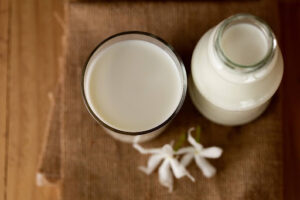
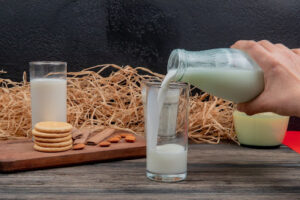
Homemade Buttermilk Substitute
Making a buttermilk substitute is one of the easiest kitchen skills to learn. Even beginners can master it on the first try without any problems.
The basic formula is straightforward. For every cup of milk, add one tablespoon of acid. The acid can be fresh lemon juice or white vinegar. Both work equally well and produce the same results.
When acid is added to milk, a chemical reaction occurs. The acid causes the milk proteins to clump together slightly. This process is called curdling. The milk becomes thicker and develops a tangy, sour taste just like real buttermilk.
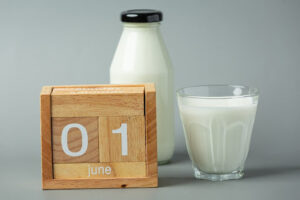
Is Lemon Juice or Vinegar Better for Making Buttermilk?
Both lemon juice and vinegar create excellent buttermilk substitutes. The choice depends on personal preference and what is available in the kitchen.
Lemon juice has a slight citrus flavor that usually disappears when baked. Some bakers prefer it for sweet recipes like cakes, muffins, and pancakes. The subtle hint of lemon adds pleasant brightness. Fresh lemon juice works best, but bottled is also fine.
White vinegar has a completely neutral taste once cooked or baked. It adds no flavor to the finished dish. This makes it excellent for savory recipes like biscuits, cornbread, or fried chicken. Many bakers prefer vinegar when they want zero interference with other flavors.
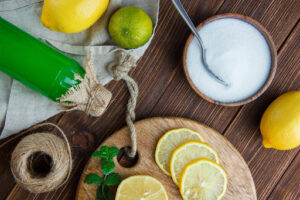
Can You Substitute Milk and Lemon Juice for Buttermilk?
Yes, milk and lemon juice make an excellent substitute for buttermilk. This combination is one of the most popular and trusted methods used by home bakers around the world.
The mixture of milk and lemon juice creates the same acidity and texture as real buttermilk. When lemon juice is stirred into milk, the milk begins to curdle within minutes. This curdling creates thickness and adds a tangy flavor. These characteristics perfectly match what buttermilk brings to recipes.
One reason this substitute is so effective is its acidity level. Lemon juice has a pH that closely matches buttermilk. This is crucial because the acidity reacts with baking soda to create carbon dioxide bubbles. These bubbles make baked goods rise and become light and airy. Without proper acidity, baking soda does not activate correctly and recipes can turn out flat and dense.
How to Make Buttermilk Substitute
Making a buttermilk substitute is quick and easy. The entire process takes less than ten minutes. Here is everything needed to create this useful ingredient at home.
Equipment
Very little equipment is needed for this recipe. Most kitchens already have everything required:
- Measuring cup – A liquid measuring cup with clear markings ensures accurate measurements
- Measuring spoon – A tablespoon is needed to measure the acid precisely
- Spoon or whisk – Used to stir the ingredients together evenly
- Small bowl – Optional but helpful for mixing
That is all the equipment required. No special tools or appliances are necessary. This makes the recipe accessible to everyone regardless of kitchen setup.
Ingredients
This buttermilk substitute uses just two basic ingredients:
For 1 cup of buttermilk substitute:
- 1 cup (240ml) milk – Any type works (whole, 2%, skim, or even non-dairy)
- 1 tablespoon (15ml) acid – Fresh lemon juice or white vinegar
Ingredient Notes:
The type of milk affects the richness of the substitute. Whole milk creates the creamiest substitute because it has more fat. However, lower fat milks like 2% or skim also work perfectly fine. For dairy-free options, soy milk is the best choice because it curdles nicely. Oat milk also works well. Almond milk is not recommended because it does not curdle properly and can separate oddly.
The acid can be fresh lemon juice, bottled lemon juice, white distilled vinegar, or apple cider vinegar. All of these options work equally well. Choose based on what is available and personal preference.
Instructions
Follow these simple steps to make perfect buttermilk substitute:
Step 1: Pour 1 cup of milk into a measuring cup or bowl. If the cup is very full, remove about 1 tablespoon of milk to make room for the acid.
Step 2: Add 1 tablespoon of lemon juice or vinegar to the milk.
Step 3: Stir the mixture gently with a spoon to combine everything.
Step 4: Let the mixture sit at room temperature for 5 to 10 minutes. During this time, the milk will thicken slightly and may look a bit curdled. This is exactly what should happen.
Step 5: Stir the mixture one more time before using it in the recipe. The buttermilk substitute is now ready to use.
Important Tips:
- Do not skip the waiting time. The five-minute rest is essential for proper curdling.
- The mixture may look slightly lumpy or separated. This is normal and perfectly fine.
- If the recipe calls for cold buttermilk, start with cold milk from the refrigerator.
- The substitute can be scaled up or down. For half a cup, use half the ingredients. For two cups, double everything.
Notes
Here are helpful notes to ensure the best results:
Scaling the Recipe: The ratio is always 1 tablespoon of acid per 1 cup of milk. This makes it easy to adjust for any recipe. Need just a quarter cup? Use one-quarter tablespoon (about three-quarters teaspoon) of acid.
Storage: The buttermilk substitute is best when used immediately. However, it can be stored in the refrigerator for up to 24 hours if needed. Give it a good stir before using if it has been sitting.
Temperature: Most recipes work fine with room temperature buttermilk substitute. However, if the recipe specifically calls for cold buttermilk (like for biscuits), start with cold milk straight from the fridge.
Appearance: The mixture may not look exactly like store-bought buttermilk. It might be thinner or have small curds floating in it. This is completely normal and will not affect the recipe results at all.
Non-Dairy Options: For vegan or dairy-free baking, use soy milk or oat milk instead of regular milk. These plant-based milks curdle well and create a good substitute. Avoid almond milk and coconut milk as they do not work as reliably.
Nutrition
Nutritional information for 1 cup of buttermilk substitute (using whole milk):
- Calories: 150
- Total Fat: 8g
- Saturated Fat: 5g
- Cholesterol: 24mg
- Sodium: 105mg
- Total Carbohydrates: 12g
- Sugars: 12g
- Protein: 8g
- Calcium: 30% of daily value
Note: Nutritional values are approximate and will vary based on the type of milk used. Lower fat milk will have fewer calories and less fat. Non-dairy milk will have different nutritional profiles entirely.
Frequently Asked Questions
What can I use if I don’t have buttermilk?
Mix 1 cup of milk with 1 tablespoon of lemon juice or vinegar. Let it sit for 5 minutes and it becomes a perfect buttermilk substitute for any recipe.
Does buttermilk substitute taste the same as real buttermilk?
Yes, the substitute has the same tangy flavor as real buttermilk. Once it is used in baking, there is no noticeable difference in taste or texture.
Can I make buttermilk substitute ahead of time?
It is best to make it fresh when needed. However, it can be stored in the refrigerator for up to 24 hours if necessary. Just stir it well before using.
Why didn’t my milk curdle?
If the milk does not show visible curdling, it might be ultra-pasteurized milk. Check the carton. Even if curdling is not obvious, the milk is still acidified and will work in recipes.
Can I use this substitute in fried chicken marinades?
Absolutely! This substitute works perfectly in marinades for fried chicken. The acidity helps tenderize the meat just like real buttermilk does.
conclusion
This homemade buttermilk substitute is a must-know kitchen hack. It saves time, money, and stress for home cooks everywhere. With just two simple ingredients and five minutes, anyone can create perfect buttermilk for their recipes.
The substitute works in all types of dishes from sweet to savory. It helps baked goods rise properly and creates tender, delicious results every time. There is no need to keep buttermilk on hand anymore when this easy method works so well.
Try this substitute the next time a recipe calls for buttermilk. The results will be just as good as using the real thing. Happy baking!