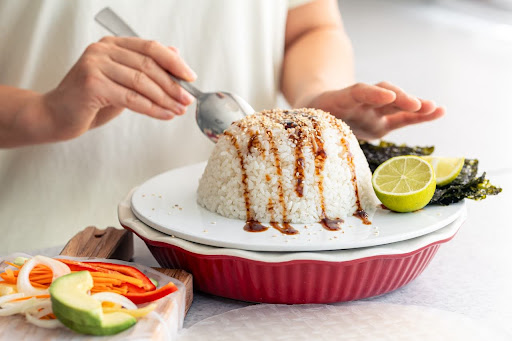
Learn how to cook perfect rice easily with this simple guide. Master the perfect rice-to-water ratio and cooking techniques for fluffy, delicious rice every time. Whether using stovetop or oven methods, white rice or basmati rice, this guide covers everything beginners need. Discover the best rice types, proper cooking times, common mistakes to avoid, and expert tips. Perfect rice is simple with the right technique – no fancy skills required.
How to Cook Rice Easily
Learning how to cook perfect rice easily is one of the most important skills in the kitchen. Rice is a staple food that feeds billions of people around the world. Many home cooks think cooking perfect rice is hard, but it’s actually quite simple once you know the right steps. This guide will show you how to cook perfect rice easily using different methods. Whether you’re a beginner or want to improve your rice cooking skills, these tips will help you make fluffy, delicious rice every time.
Which Rice to Use for This Recipe
Choosing the right rice makes cooking much easier and gives better results. Different types of rice work better for different dishes and cooking methods.
Long-grain rice is the most popular choice for basic rice cooking. This includes white rice, jasmine rice, and basmati rice. Long-grain rice stays separate and fluffy when cooked properly. It doesn’t stick together as much as other types. This makes it perfect for beginners who want to learn how to cook rice easily.
Medium-grain rice is slightly shorter and wider than long-grain rice. It becomes a bit stickier when cooked but still holds its shape well. This type works great for dishes where you want the rice to hold together slightly.
Short-grain rice is very sticky when cooked. It’s perfect for sushi or rice pudding. However, it can be trickier for beginners to work with. The grains tend to clump together more easily.
Wondering About the Difference Between Rice Types?
The main differences between rice types come from their starch content and grain size. Here’s what makes each type special:
- White rice has the bran and germ removed, making it cook faster and last longer
- Brown rice keeps the bran layer, giving it more nutrients and a nutty flavor
- Jasmine rice has a lovely floral smell and slightly sticky texture
- Basmati rice has long, thin grains that stay very separate when cooked
- Arborio rice is short-grain and perfect for creamy dishes like risotto
Understanding these differences helps you pick the best rice for your meal. For everyday cooking, white long-grain rice is usually the easiest choice for beginners.
Rice to Water Ratio
Getting the rice to water ratio right is the key to perfect rice. Too much water makes mushy rice. Too little water leaves hard, undercooked grains. The basic rule is simple but varies slightly by rice type.
For white long-grain rice, use 1 cup of rice to 1.5 cups of water. This ratio works for most brands and gives fluffy results. Some people prefer 1 cup rice to 2 cups water, but this can make the rice too soft.
For brown rice, use 1 cup of rice to 2 cups of water. Brown rice needs more water because the bran layer takes longer to soften. It also needs more cooking time than white rice.
For basmati rice, use 1 cup of rice to 1.25 cups of water. Basmati rice needs less water because it’s very absorbent. Too much water will make it mushy and ruin the long grains.
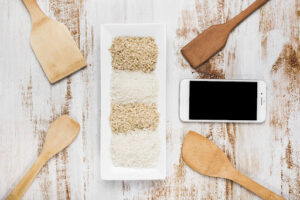
How Do You Wash Rice?
Washing rice removes extra starch and helps prevent sticky, gummy results. However, not all rice needs washing, and some people prefer to skip this step.
Here’s how to wash rice properly:
- Put rice in a fine mesh strainer or bowl
- Rinse with cold water while stirring gently with your hand
- Keep rinsing until the water runs mostly clear
- This usually takes 3-5 rinses
- Let the rice drain for a few minutes before cooking
Washing rice helps remove dust and extra starch from processing. This makes the final result fluffier and less sticky. However, some rice is pre-washed and doesn’t need this step.
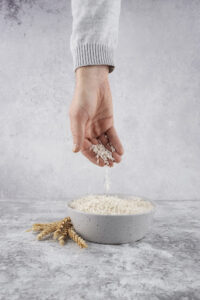
How to Cook Rice on the Stove
The stovetop method is the most common way to cook rice. It gives you good control over the cooking process and works with any type of rice.
Ingredients
- 1 cup long-grain white rice
- 1.5 cups water
- 1/2 teaspoon salt (optional)
- 1 tablespoon butter or oil (optional)
Instructions
Step 1: Measure your rice and water using the ratios mentioned earlier. Put them in a medium saucepan with a tight-fitting lid. Add salt if you want extra flavor.
Step 2: Bring the water to a boil over medium-high heat. Don’t cover the pot yet. Watch carefully so it doesn’t boil over. This usually takes 3-5 minutes depending on your stove.
Step 3: Once the water boils, immediately reduce heat to the lowest setting. Cover the pot with the lid. The water should barely simmer now. You might hear gentle bubbling sounds, but it shouldn’t be violent boiling.
Step 4: Set a timer for 18 minutes for white rice or 45 minutes for brown rice. Don’t lift the lid during cooking. This lets steam escape and can ruin the rice. Be patient and trust the process.
Step 5: When the timer goes off, remove the pot from heat. Let it sit for 10 minutes without lifting the lid. This resting time lets the rice finish cooking with the remaining steam.
Step 6: After resting, remove the lid and fluff the rice gently with a fork. Start from the edges and work toward the center. This separates the grains and makes the rice light and fluffy.
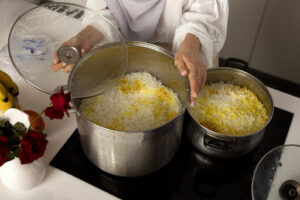
Recipe Notes
The key to perfect stovetop rice is controlling the heat. Too much heat will burn the bottom before the top is done. Too little heat won’t cook the rice properly. Most stoves work best on low heat after the initial boiling.
Different pot sizes affect cooking time slightly. Wider pots cook faster than tall, narrow ones. Heavy-bottomed pots prevent burning better than thin ones. If your rice burns often, try using a heavier pot or lower heat.
Some people add a tablespoon of butter or oil to make richer rice. This also helps prevent sticking. However, it’s not necessary for basic rice cooking.
Troubleshooting
Even experienced cooks sometimes have rice problems. Here are solutions to common issues:
Rice is too mushy: You used too much water or cooked it too long. Next time, use less water and check the rice a few minutes early.
Rice is too hard: You didn’t use enough water or didn’t cook it long enough. Add a little hot water and cook for a few more minutes.
Rice is burned on the bottom: Your heat was too high. Always use low heat after bringing to a boil. A heavy-bottomed pot also helps prevent burning.
Rice is sticky: You might have stirred it during cooking or used too much water. Don’t stir rice while it cooks, and measure water carefully.
Tips
These expert tips will help you cook better rice every time:
- Use a timer to avoid overcooking or undercooking
- Don’t lift the lid during cooking – this releases important steam
- Let the rice rest after cooking for the best texture
- Fluff with a fork, not a spoon, to avoid mashing the grains
- Store leftover rice in the refrigerator within 2 hours of cooking
How to Cook Rice in the Oven
Oven cooking is great for large batches of rice. It gives very even heating and requires less watching than stovetop cooking.
Ingredients
- 1.5 cups long-grain white rice
- 2.5 cups boiling water
- 1 teaspoon salt
- 1 tablespoon butter
Instructions
Step 1: Preheat your oven to 350°F (175°C). Use a baking dish with a tight-fitting lid. Glass or ceramic dishes work well.
Step 2: Put rice, salt, and butter in the baking dish. Pour boiling water over the rice and stir once to mix everything.
Step 3: Cover tightly with the lid or aluminum foil. Make sure no steam can escape. Put the dish in the preheated oven.
Step 4: Bake for 25-30 minutes for white rice or 55-65 minutes for brown rice. Don’t open the oven door during cooking.
Step 5: Remove from oven and let rest for 10 minutes before uncovering. Fluff with a fork and serve.
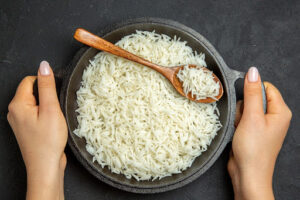
Recipe Notes
Oven cooking works especially well for dinner parties because you don’t need to watch it constantly. You can prepare other dishes while the rice cooks. Make sure your baking dish has a tight lid to keep steam in.
Troubleshooting
Rice is too dry: Add more boiling water next time or check your oven temperature. Some ovens run hot and cook faster.
Rice is too wet: Use less water or cook a few minutes longer. Every oven is different, so you might need to adjust timing.
Tips
- Always use boiling water, not cold water, for oven rice
- Double-check that your lid fits tightly
- Glass dishes let you see the rice without lifting the lid
- This method works great for feeding large groups
What to Serve with Rice
Rice goes with almost any dish and works as a side or main ingredient. Here are popular serving ideas:
Asian dishes pair perfectly with steamed white rice. Try it with stir-fries, teriyaki chicken, or sweet and sour pork. The plain rice balances spicy or saucy dishes.
Mexican and Latin foods work great with rice. Spanish rice, rice and beans, or plain rice with tacos and burritos make filling meals. Cilantro lime rice adds extra flavor.
Indian curries are traditionally served over basmati rice. The long grains soak up delicious curry sauces. Try it with chicken curry, dal, or vegetable dishes.
American comfort foods like beans and rice, rice pilaf, or rice as a side with grilled meats are classic combinations. Rice stretches meals and adds healthy carbohydrates.
How to Cook Basmati Rice
Basmati rice needs special attention because of its delicate, long grains. When cooked properly, each grain stays separate and fluffy.
Ingredients
- 1 cup basmati rice
- 1.25 cups water
- 1/2 teaspoon salt
- 1 tablespoon ghee or butter (optional)
Instructions
Step 1: Rinse basmati rice in cool water until the water runs clear. This removes excess starch and prevents sticking. Drain well.
Step 2: Soak the rinsed rice in water for 30 minutes. This helps the grains cook more evenly and become extra fluffy. Drain before cooking.
Step 3: Bring water and salt to a boil in a heavy-bottomed saucepan. Add the drained rice and stir once.
Step 4: Return to a boil, then immediately reduce heat to low. Cover and simmer for 15 minutes without lifting the lid.
Step 5: Remove from heat and let stand for 10 minutes. Fluff gently with a fork and serve.
Recipe Notes
Soaking basmati rice is important for the best results. It makes the grains longer and prevents breaking during cooking. If you’re in a hurry, you can skip soaking, but the texture won’t be as good.
Troubleshooting
Grains are broken: You stirred too much or used too high heat. Be very gentle with basmati rice.
Rice is mushy: You used too much water. Basmati needs less water than regular long-grain rice.
Tips
- Always rinse basmati rice thoroughly
- Soaking makes a big difference in texture
- Use less water than you would for regular rice
- Don’t stir during cooking
Is Basmati Rice the Same as White Rice?
Basmati rice is a type of white rice, but it’s special in several ways. Regular white rice has shorter, wider grains. Basmati has very long, thin grains that stay separate when cooked properly.
Basmati rice also has a distinctive nutty, floral aroma. This smell gets stronger when you cook it. Regular white rice has a much milder smell and taste.
The texture is different too. Basmati rice is less sticky than regular white rice. Each grain stays individual and fluffy. This makes it perfect for dishes where you want the rice to not clump together.
Is Basmati Rice Lower Calorie Than White Rice?
Basmati rice and regular white rice have very similar calorie counts. Both have about 200 calories per cooked cup. The difference is so small it doesn’t matter for most people.
However, basmati rice might have a slightly lower glycemic index. This means it doesn’t raise blood sugar as quickly as some other rice types. But both are still high-carbohydrate foods.
If you’re counting calories, the portion size matters more than the rice type. Both basmati and regular white rice are good sources of energy and can fit into a healthy diet.
Can You Freeze Basmati Rice?
Yes, you can freeze cooked basmati rice for up to 6 months. Let it cool completely before freezing. Divide it into serving-sized portions and store in freezer bags or containers.
To reheat frozen rice, you can microwave it directly from frozen. Add a tablespoon of water and heat in 30-second intervals, stirring between each interval. You can also thaw it overnight in the refrigerator first.
Frozen rice works great for fried rice dishes. The slightly drier texture after freezing is actually perfect for stir-frying.
Curries to Serve with Basmati Rice
Basmati rice is the traditional choice for Indian and Middle Eastern curries. Its long grains and subtle flavor don’t compete with complex curry spices.
Chicken curry is probably the most popular choice. The rice soaks up the rich sauce perfectly. Butter chicken, chicken tikka masala, and curry chicken all work beautifully.
Vegetable curries like dal (lentil curry), chickpea curry, or mixed vegetable curry are healthy and filling over basmati rice. The rice adds protein and makes these dishes more satisfying.
Lamb or beef curries are rich and flavorful with basmati rice. The rice helps balance the strong meat flavors and soaks up delicious gravies.
- Mild curries work well for beginners who don’t like too much spice
- Coconut-based curries are creamy and pair beautifully with fluffy rice
- Tomato-based curries are tangy and bright over neutral rice
The Biggest Mistake You’ve Been Making All Your Life
Many people make the same big mistake when cooking rice: they stir it during cooking. As a result, this breaks the grains and releases starch, making the rice gummy and sticky.
Once you’ve added rice to boiling water and reduced the heat, it’s essential to leave it alone. Don’t stir, don’t peek, and don’t shake the pot. Instead, just let it cook quietly with the lid on.
Another common mistake is using the wrong heat level. After the initial boiling, the heat should be as low as possible. Otherwise, high heat burns the bottom before the top is cooked. In contrast, low, gentle heat cooks the rice evenly from top to bottom.
Furthermore, not letting rice rest after cooking is also a mistake. During the resting time, the moisture distributes evenly. Consequently, rice that’s served immediately after cooking often has hard spots or uneven texture.
There is No Need to Rinse Rice to Make it Fluffy
This might surprise you, but rinsing rice isn’t always necessary for fluffy results. Many modern rice varieties are pre-cleaned and don’t need washing. Some are even enriched with vitamins that rinse away.
The main reason to rinse rice is to remove excess surface starch. This starch can make rice sticky. However, proper cooking technique is more important than rinsing for fluffy rice.
If you use the right water ratio and don’t stir during cooking, your rice will be fluffy whether you rinse it or not. The choice to rinse depends on personal preference and the specific rice variety.
Do You Have to Rinse Rice to Make it Fluffy?
No, you don’t have to rinse rice to make it fluffy. The most important factors for fluffy rice are:
- Using the correct water-to-rice ratio
- Not stirring during cooking
- Using proper heat levels
- Letting the rice rest after cooking
However, rinsing can help with very starchy rice varieties. If you notice your rice is always sticky, try rinsing it. If your rice turns out well without rinsing, there’s no need to add this extra step.
Some people prefer to rinse rice for cleanliness reasons, even if it’s not necessary for texture. This is a personal choice and both ways can produce excellent results.
How to Store and Reheat
Proper storage keeps rice safe and tasty for several days. Cooked rice can grow harmful bacteria if left at room temperature too long.
Storing cooked rice: Put cooled rice in the refrigerator within 2 hours of cooking. Store it in airtight containers for up to 4-5 days. Don’t leave rice at room temperature longer than 2 hours.
Reheating rice: Add a tablespoon of water to rice before reheating. This prevents it from drying out. You can reheat rice in the microwave, on the stovetop, or in the oven.
Microwave method: Heat rice in 30-second intervals, stirring between each interval. Add water if it looks dry.
Stovetop method: Heat rice in a covered pan over low heat with a little water. Stir occasionally until heated through.
Never reheat rice more than once. Always heat it until it’s steaming hot throughout. This kills any bacteria that might have grown during storage.
Nutrition Information
Rice is a healthy source of carbohydrates and provides energy for daily activities. Here’s what you get from one cup of cooked white rice:
- Calories: About 200
- Carbohydrates: 45 grams
- Protein: 4 grams
- Fat: Less than 1 gram
- Fiber: 1 gram
White rice is enriched with B vitamins and iron in many countries. It’s naturally gluten-free and easy to digest. Brown rice has more fiber and nutrients but takes longer to cook.
Rice is low in fat and sodium, making it heart-healthy. It provides steady energy and helps you feel full. Rice is also very affordable and feeds families well around the world.
Frequently Asked Questions
- How long does it take to cook rice?
White rice takes about 18-20 minutes to cook on the stovetop, plus 10 minutes of resting time. Brown rice takes 45-50 minutes. The exact time depends on your stove and the amount of rice you’re cooking.
- Can I cook rice without a lid?
No, you need a lid to trap steam for proper rice cooking. The steam finishes cooking the rice after the water is absorbed. Without a lid, the water will evaporate too quickly and the rice won’t cook evenly.
- Why is my rice always mushy?
Mushy rice usually comes from too much water or overcooking. Try using less water next time and checking the rice a few minutes before the recommended cooking time. Also, make sure you’re not stirring during cooking.
- Can I add flavor to rice while cooking?
Yes! You can cook rice in chicken or vegetable broth instead of water. You can also add herbs, spices, or a bay leaf to the cooking water. Just remember that these additions might slightly change the cooking time or water ratio.
- How do I know when rice is done cooking?
Rice is done when all the water is absorbed and the grains are tender. You can check by tilting the pot slightly – if you see water, cook a little longer. The rice should look fluffy and separate easily with a fork.
Conclusion
Learning how to cook rice easily is a valuable kitchen skill. With the right techniques, anyone can make perfect, fluffy rice every time. Remember these key points: use the correct water ratio, don’t stir during cooking, use low heat after boiling, and let the rice rest when done.
Whether using stovetop, oven, or cooking basmati rice, these techniques work for all methods. Rice is versatile, nutritious, and pairs well with countless dishes. Practice makes perfect—don’t be discouraged by early attempts. Soon you’ll be cooking restaurant-quality rice at home that your family and friends will love.