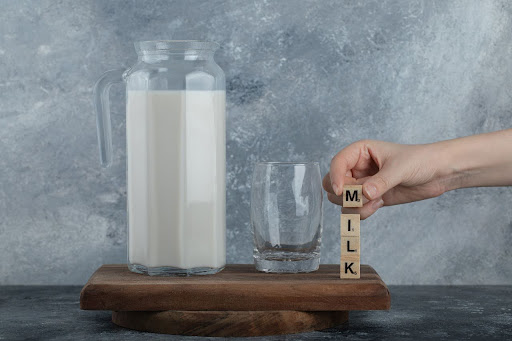
Buttermilk is a tangy, creamy ingredient that makes baked goods light and fluffy. You can easily make it at home by mixing regular milk with an acid like lemon juice or white vinegar. The process takes only five minutes of waiting time. After mixing, let it sit at room temperature until it thickens slightly.
This homemade buttermilk works just as well as store-bought versions. You’ll save money and always have buttermilk ready when recipes call for it.
How to Make Buttermilk at Home
If you are wondering how to make buttermilk at home, you will be glad to know that creating your own buttermilk is incredibly simple and practical. Moreover, you probably already have everything you need in your kitchen right now. This recipe requires no cooking or heating, which makes it perfect for busy days. The tangy flavor develops naturally as the acid reacts with the milk proteins. As a result, you get perfectly tangy buttermilk without leaving your home.
Ingredients
Making buttermilk requires only two basic ingredients that most people keep in their kitchen:
- 1 cup of milk (whole, 2%, or skim milk all work well)
- 1 tablespoon of acid (either fresh lemon juice or white vinegar)
That’s all you need! Furthermore, these ingredients are affordable and easy to find. You can adjust the amounts based on how much buttermilk your recipe needs. For example, if you need two cups, simply double both ingredients.
Instructions
Follow these simple steps to make perfect buttermilk every single time:
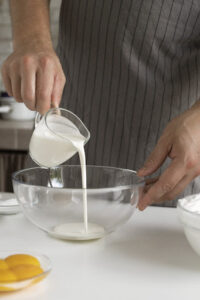
- Measure your milk: Pour one cup of milk into a measuring cup or small bowl. Make sure you’re using a liquid measuring cup for accuracy.
- Add the acid: Next, add one tablespoon of either lemon juice or white vinegar to the milk. Don’t stir it yet.
- Mix gently: Use a spoon to stir the mixture briefly. You only need a few gentle stirs to combine everything.
- Wait patiently: Let the mixture sit at room temperature for about five to ten minutes. During this time, you’ll notice the milk starting to curdle slightly and thicken.
- Check the texture: After waiting, your buttermilk should look a bit lumpy and thicker than regular milk. This means it’s ready to use.
- Use immediately: Your homemade buttermilk is now ready for any recipe. Pour it into your mixing bowl and continue with your baking project.
Notes
Here are some helpful tips to ensure your buttermilk turns out perfectly every time:
- Temperature matters: Always use milk at room temperature for best results. Cold milk from the refrigerator works too, but it might take slightly longer to thicken.
- Storage tips: You can store leftover buttermilk in the refrigerator for up to one week. Keep it in a sealed container or jar.
- Milk fat content: Whole milk creates richer, creamier buttermilk. However, low-fat or skim milk works fine and makes lighter buttermilk.
- Fresh ingredients: Use fresh lemon juice instead of bottled juice when possible. Fresh juice gives better flavor and more reliable results.
- Don’t over-stir: Mixing too much can prevent proper curdling. Just a few gentle stirs are enough to combine the ingredients.
How Do You Make Buttermilk From Regular Milk?
Making buttermilk from regular milk is a straightforward process that anyone can master. First, you need to understand what makes buttermilk special. Real buttermilk has a tangy taste and slightly thick texture. When you add an acid like lemon juice or vinegar to regular milk, something interesting happens. The acid makes the milk proteins clump together slightly, which creates that characteristic tangy flavor and thicker consistency.
This process is called curdling, but don’t worry – it’s supposed to happen! In addition, the acid lowers the milk’s pH level, which mimics real cultured buttermilk. Therefore, your homemade version works just as well in recipes as store-bought buttermilk.
How Long Does It Take to Turn Milk Into Buttermilk?
The transformation from regular milk to buttermilk happens quite quickly. Generally, you only need to wait five to ten minutes after mixing the ingredients. During this short time, the milk will start to look slightly curdled and thicker. Some people worry when they see small lumps forming, but this is perfectly normal.
In fact, those lumps show that your buttermilk is working correctly. If you’re in a hurry, you can use your buttermilk after just five minutes. However, waiting the full ten minutes gives you better results. The longer sitting time allows more complete curdling and develops a stronger tangy flavor. Room temperature also affects the timing – warmer milk curdles faster than cold milk.
What Are the Benefits of Drinking Buttermilk?
Buttermilk offers several wonderful health benefits that make it worth adding to your diet. First, it contains important nutrients like calcium, which helps build strong bones and teeth. Additionally, buttermilk provides protein that your body needs for energy and muscle growth. Many people find that buttermilk is easier to digest than regular milk. The tangy drink also contains probiotics in traditional cultured versions, which support healthy digestion.
Furthermore, buttermilk is lower in fat than whole milk, making it a lighter choice. It keeps you feeling full longer, which can help with weight management. The drink also helps cool down your body during hot weather. In many cultures, people drink buttermilk to aid digestion after meals.
Is Lemon Juice or Vinegar Better for Making Buttermilk?
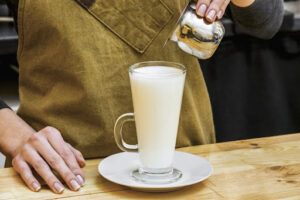
Both lemon juice and white vinegar work excellently for making buttermilk at home. However, each option has its own unique qualities. Lemon juice adds a fresh, bright flavor to your buttermilk. This makes it perfect for sweet recipes like pancakes, muffins, and cakes. On the other hand, white vinegar has a more neutral taste.
It works better in savory recipes like biscuits, fried chicken coating, or ranch dressing. The curdling power is the same for both ingredients. Therefore, your choice depends mainly on what you’re making. Some bakers keep both options available in their kitchen. That way, they can choose the best one for each recipe. Remember to use white vinegar, not apple cider vinegar, for the most neutral flavor.
Can You Substitute Milk and Lemon Juice for Buttermilk?
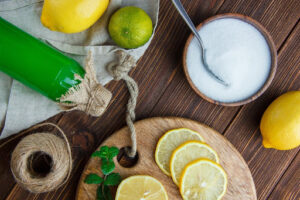
Yes, absolutely! Milk mixed with lemon juice makes an excellent substitute for buttermilk in recipes. This homemade version works in almost every recipe that calls for buttermilk. Bakers and chefs use this substitution all the time. The acid in lemon juice reacts with the milk proteins the same way real buttermilk does in baking.
This means your baked goods will still turn out light, fluffy, and delicious. The substitution ratio is simple: use one tablespoon of lemon juice per cup of milk. This mixture provides the same acidity level as store-bought buttermilk. As a result, your pancakes will be just as fluffy and your cakes just as moist. Many professional bakers actually prefer this method because it’s always fresh and convenient.
Dairy Free & Vegan Substitute
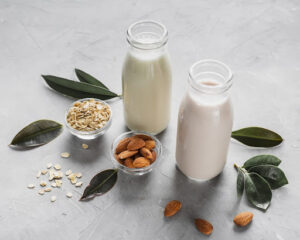
People who avoid dairy products can still enjoy buttermilk in their recipes. Fortunately, making vegan buttermilk is just as easy as the dairy version. Simply use your favorite plant-based milk instead of cow’s milk. Popular options include:
- Soy milk: This creates thick, creamy buttermilk that works great in all recipes
- Almond milk: A lighter option with a subtle nutty flavor
- Oat milk: Makes rich buttermilk with a naturally sweet taste
- Coconut milk: Best for tropical-flavored baked goods
Use the same ratio: one tablespoon of lemon juice or vinegar per cup of plant milk. Let it sit for five to ten minutes, just like regular buttermilk. The mixture will thicken and develop a tangy taste. Consequently, your vegan baked goods will be just as delicious as traditional versions. Make sure to choose unsweetened plant milk for best results.
Buttermilk Freezing Instructions
Freezing buttermilk is a smart way to avoid waste and always have some available. Here’s how to freeze it properly:
First, pour your buttermilk into ice cube trays or small freezer-safe containers. Leave some space at the top because liquids expand when frozen. Next, cover the containers tightly with plastic wrap or lids. Label them with the date so you remember when you froze them. Buttermilk stays good in the freezer for up to three months.
When you need buttermilk, remove the amount you need and thaw it in the refrigerator overnight. Alternatively, you can thaw it quickly at room temperature. After thawing, stir the buttermilk well because separation is normal. The texture might be slightly grainy, but it still works perfectly in baking recipes.
Use Buttermilk In
Buttermilk is an incredibly versatile ingredient that improves many different recipes. Here are some delicious ways to use your homemade buttermilk:
- Fluffy pancakes and waffles: Buttermilk makes breakfast favorites extra light and tasty
- Tender biscuits: Southern-style biscuits need buttermilk for their flaky layers
- Moist cakes: Chocolate cake and red velvet cake become incredibly moist with buttermilk
- Crispy fried chicken: Soaking chicken in buttermilk makes it tender and flavorful
- Creamy dressings: Ranch dressing and blue cheese dressing both use buttermilk
- Soft muffins: Blueberry muffins and corn muffins benefit from buttermilk’s tenderness
- Tangy marinades: Use buttermilk to tenderize meat before grilling
- Smooth soups: Add buttermilk to cold soups for extra creaminess
Each of these recipes benefits from buttermilk’s unique properties. The acid helps activate baking soda, which creates more rise in baked goods. Meanwhile, the thickness adds moisture that keeps everything tender and delicious.
Nutrition Show
Understanding the nutritional value of buttermilk helps you make informed choices. One cup of homemade buttermilk made with whole milk contains approximately:
- Calories: 150
- Protein: 8 grams
- Carbohydrates: 12 grams
- Fat: 8 grams
- Calcium: 30% of daily value
- Vitamin D: 15% of daily value
- Vitamin B12: 20% of daily value
If you use low-fat or skim milk, the calorie and fat content will be lower. Plant-based versions have different nutritional profiles depending on which milk alternative you choose. Generally, buttermilk provides good nutrition while adding wonderful flavor to your recipes.
Frequently Asked Questions
Q: Can I use spoiled milk instead of making buttermilk?
A: No, spoiled milk is not safe to use. Buttermilk is intentionally cultured or acidified, which is different from milk that has gone bad naturally. Always use fresh milk with acid to make safe buttermilk.
Q: Why isn’t my buttermilk thickening?
A: Your milk might be too cold or you didn’t wait long enough. Try letting it sit for a few more minutes at room temperature. Also check that your lemon juice or vinegar is fresh and hasn’t lost its acidity.
Q: Can I drink homemade buttermilk like store-bought versions?
A: Yes, you can drink it, but homemade buttermilk lacks the probiotics found in cultured store-bought versions. It’s primarily made for cooking and baking purposes rather than drinking.
Q: Does homemade buttermilk work in all recipes?
A: Absolutely! Homemade buttermilk works perfectly in any recipe calling for buttermilk. The acid content is similar to store-bought versions, so you’ll get the same excellent results.
Q: Can I make buttermilk without lemon juice or vinegar?
A: You could use other acids like cream of tartar or citric acid powder. However, lemon juice and vinegar are the easiest and most common options that give consistent results.
Conclusion
Learning how to Make buttermilk at home is one of the simplest kitchen skills you’ll ever learn. With just milk and an acid, you can create this essential baking ingredient in minutes. This homemade version saves you money and trips to the grocery store. Plus, you can make exactly the amount you need for any recipe.
Whether you’re baking fluffy pancakes for breakfast or tender biscuits for dinner, homemade buttermilk delivers perfect results every time. The process is so easy that even beginners can master it immediately. Remember to experiment with both lemon juice and vinegar to find your favorite flavor.