How to Make Alfredo Sauce
Making Alfredo sauce is incredibly simple and requires no special techniques. The key is using quality ingredients, especially freshly grated Parmesan cheese, and not rushing the process.
Ingredients
Main ingredients:
- 1/2 cup unsalted butter (1 stick)
- 2 cups heavy cream
- 2 cups freshly grated Parmesan cheese
- 1/4 tsp salt
- 1/4 tsp black pepper
- Pinch of nutmeg (optional)
- 2 cloves garlic, minced (optional)
Optional additions:
- Fresh parsley for garnish
- Extra Parmesan for serving
- Red pepper flakes for heat
Using freshly grated Parmesan cheese is crucial for smooth, creamy sauce. Pre-grated cheese contains anti-caking agents that prevent smooth melting and make sauce grainy. Heavy cream creates the richest sauce, though you can use half-and-half for lighter versions.
Directions
- Melt butter in large skillet over medium heat
- Add heavy cream and stir until combined
- Bring to gentle simmer for 2-3 minutes to thicken slightly
- Don’t let it boil rapidly or cream may separate
- Reduce heat to low
- Add freshly grated Parmesan gradually, about 1/2 cup at a time
- Stir constantly after each addition until cheese melts completely
- Keep stirring until sauce is smooth and creamy
- Add salt, pepper, and nutmeg if using
- If adding garlic, sauté it in butter before adding cream
- Taste and adjust seasonings
- Remove from heat and serve immediately over hot pasta
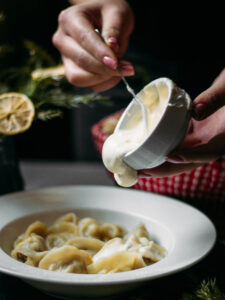
- Toss pasta in sauce rather than pouring sauce on top
Cook’s Note
Temperature control: Keep heat at medium-low. High heat causes cheese to separate and become grainy. If the sauce looks oily or separated, remove from heat immediately and whisk vigorously.
Cheese quality matters: Real Parmigiano-Reggiano creates the best flavor and texture. Avoid “Parmesan-style” cheeses. Authentic Italian cheese melts more smoothly.
Pasta water trick: Save pasta cooking water before draining. If the sauce seems too thick, add pasta water one tablespoon at a time. The starchy water helps sauce cling to pasta.
Timing is everything: Make Alfredo sauce right before serving. It thickens as it sits. If making ahead, reheat very gently over low heat, adding pasta water or cream.
Nutrition Facts (per serving)
Nutrition Information (Per 1/2 Cup Serving)
| Nutrient | Amount |
| Calories | 380 |
| Total Fat | 36g |
| Saturated Fat | 23g |
| Cholesterol | 110mg |
| Sodium | 520mg |
| Total Carbohydrates | 4g |
| Dietary Fiber | 0g |
| Sugars | 0g |
| Protein | 12g |
| Calcium | 380mg |
Based on 6 servings per recipe
Alfredo sauce is rich and indulgent, meant to be enjoyed in moderation. It provides good calcium and protein from cheese.
How to Thicken Alfredo Sauce
Simmer longer: Let sauce simmer gently for a few extra minutes to evaporate liquid. Stir frequently to prevent scorching.
Add more cheese: Gradually stir in additional Parmesan. Add slowly and stir well. This is the most flavorful method.
Use cornstarch slurry: Mix 1 teaspoon cornstarch with 1 tablespoon cold water. Stir into simmering sauce and cook 1-2 minutes.
Add cream cheese: Stir in 2-3 tablespoons softened cream cheese for extra thickness and tanginess.
Reduce the cream first: Simmer cream alone for 5 minutes to thicken before making sauce.
How to Serve Alfredo Sauce
Classic pasta dishes:
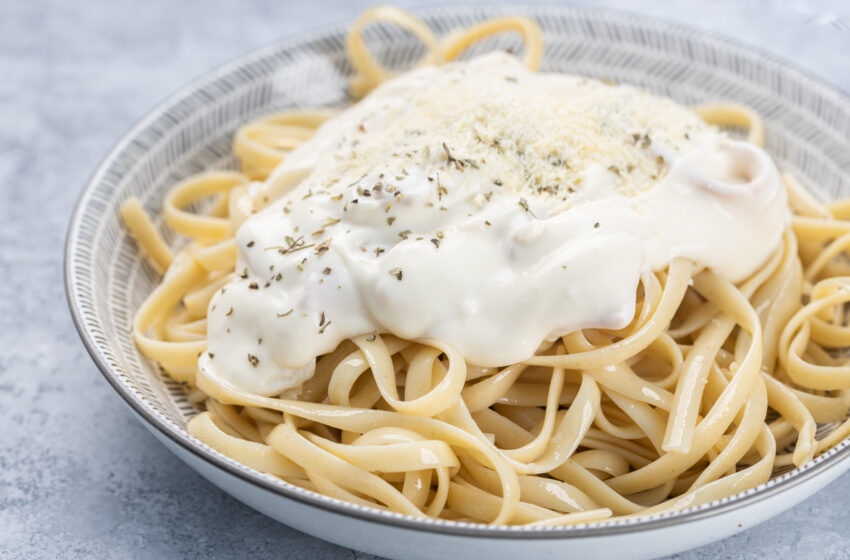
- Fettuccine Alfredo – the original
- Chicken Alfredo with grilled chicken
- Shrimp Alfredo with garlic butter shrimp
- Vegetable Alfredo with broccoli and mushrooms
- Alfredo pizza as white pizza sauce
Creative serving ideas: Use as dipping sauce for breadsticks. Pour over baked potatoes. Mix with cooked vegetables. Use as base for casseroles. Drizzle over grilled chicken or fish.
Pairing suggestions: Serve with simple green salad. Add protein like chicken, shrimp, or salmon. Include vegetables like broccoli or spinach. Pair with crusty bread.
How to Store Alfredo Sauce
Refrigerator storage: Let sauce cool to room temperature. Transfer to an airtight container and refrigerate for up to 3-4 days. Sauce will thicken considerably, which is normal. Press plastic wrap directly on the surface to prevent skin.
Reheating instructions: Reheat gently over low heat on the stovetop. Whisk constantly. Add heavy cream, milk, or pasta water one tablespoon at a time to thin. Never microwave at high power.
Can You Freeze Alfredo Sauce?
Freezing guidelines: Freezing is possible but not ideal. Transfer cooled sauce to a freezer-safe container. Remove air to prevent freezer burn. Label and freeze for up to 3 months. Freeze without pasta for best results.
Thawing and restoring: Thaw in refrigerator overnight. Reheat very gently over low heat, whisking constantly. Sauce may look separated at first. Whisk vigorously while heating. Add fresh cream and Parmesan to restore texture.
Better alternative: Instead of freezing finished sauce, freeze cream and butter separately. Make fresh sauce when needed – it only takes 15 minutes.
Conclusion
Homemade Alfredo sauce is incredibly easy to make and tastes so much better than jarred versions. With just butter, heavy cream, and Parmesan cheese, you can create restaurant-quality sauce in 15 minutes. The key is using freshly grated Parmesan and keeping heat low. Serve immediately over hot pasta. Store leftovers refrigerated for up to 4 days. While freezing is possible, making fresh sauce is so quick it’s better to make as needed.
FAQs
Why is my Alfredo sauce grainy?
Pre-shredded cheese or too-high heat causes grainy sauce. Use freshly grated Parmesan and keep heat low. Remove from heat before adding cheese.
Can I use milk instead of heavy cream?
Heavy cream creates the richest sauce. You can use half-and-half for the lighter version, but milk is too thin for a proper creamy texture.
How do I keep Alfredo sauce from separating?
Use low heat and don’t let sauce boil. Add cheese gradually off heat. Stir constantly. If it separates, whisk vigorously and add a splash of cream.
Can I make Alfredo sauce ahead of time?
It’s best made fresh, but you can make it 1-2 hours ahead. Keep warm over very low heat, stirring occasionally.
What’s the best pasta for Alfredo sauce?
Fettuccine is traditional, but any pasta works. Penne, rigatoni, and farfalle all hold sauce well.